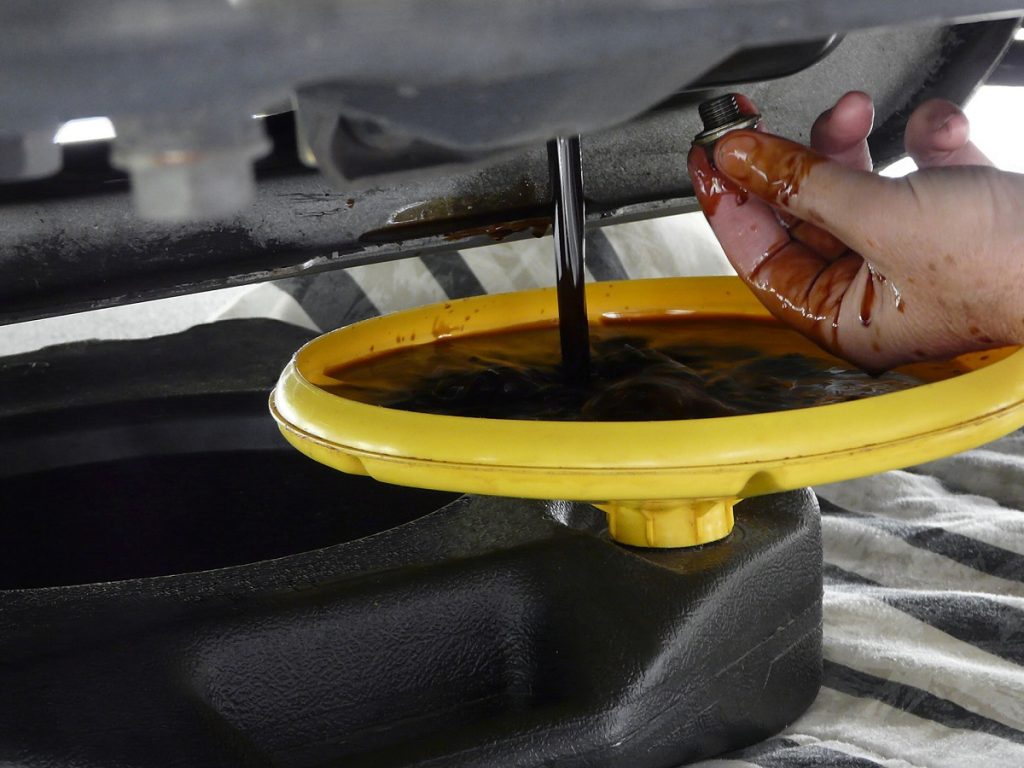
The oil pan is one of the most important and vital components in internal combustion engines. The operation of internal combustion engines is impossible without an oil pan. This part is also known by various names such as crankcase or oil sump.
In this article from Digikala, we will examine this component in detail and review supplementary points regarding it. So if you want to answer questions like “What is an oil pan?” or “What is a car oil pan?”, stay with us. This text also covers topics such as oil pan welding or a cracked oil pan.
What Is an Oil Pan and What Is Its Function?
The oil pan, correctly called the crankcase, is a key component in internal combustion engines located at the lowest part of the engine and attached to the cylinder block. In English, this part is called the Oil Pan or oil sump. Its function is evident from its name.
🔗 بیشتر بخوانید: چطور نامه استعفا بنویسیم + نکاتی برای اثرگذاری زیاد تر
The oil pan’s mission is to collect and store engine oil after the lubrication cycle ends. This component acts as the main oil reservoir. The oil pump is in contact with the pan and supplies the oil needed for recirculation through the system. The pan typically resembles a large, deep tray that holds a significant volume of oil, hence the English term “oil pan.”
Where Is the Oil Pan Located in a Car?
As mentioned earlier, the car oil pan sits beneath the cylinder block at the lowest point of the engine. This positioning exposes the part to road hazards such as speed bumps, rocks, and sharp objects. To protect it, a metal or plastic shield called an engine undertray (skid plate) is installed. It should also be noted that this component connects to the cylinder block via the oil pan gasket to prevent any oil leaks.
Role of the Oil Pan in the Lubrication System
The oil pan plays a vital role in the car’s lubrication system. It performs several functions in internal combustion engines, detailed below:
🔗 بیشتر بخوانید: ۸ نشانه فریب در رابطه و روش برخورد با آن
- Storage: The oil pan serves as the reservoir for all engine oil.
- Cooling: The pan has a large surface area and is in contact with ambient air. Therefore, during stops or driving, the stored oil cools to some extent.
- Supplying Oil to the Pump: The oil pump pickup tube sits inside the pan. Oil is drawn from this component toward the engine’s internal parts.
- Stabilizing Oil Level: In more advanced vehicles, the oil pan is designed to minimize oil movement and splashing during acceleration or hard braking. Consequently, the oil pump always has sufficient access to the required oil volume.
Components, Materials, and Structure of the Car Oil Pan
The car oil pan consists of several key parts. These include the gasket, drain plug, undertray, and baffles (internal steel plates). We will detail these sections below:
- Main Tray or Pan Body: This is the primary oil reservoir, typically made of steel or aluminum.
- Oil Pan Gasket: A critical seal placed between the pan and the engine block. The gasket prevents oil leakage.
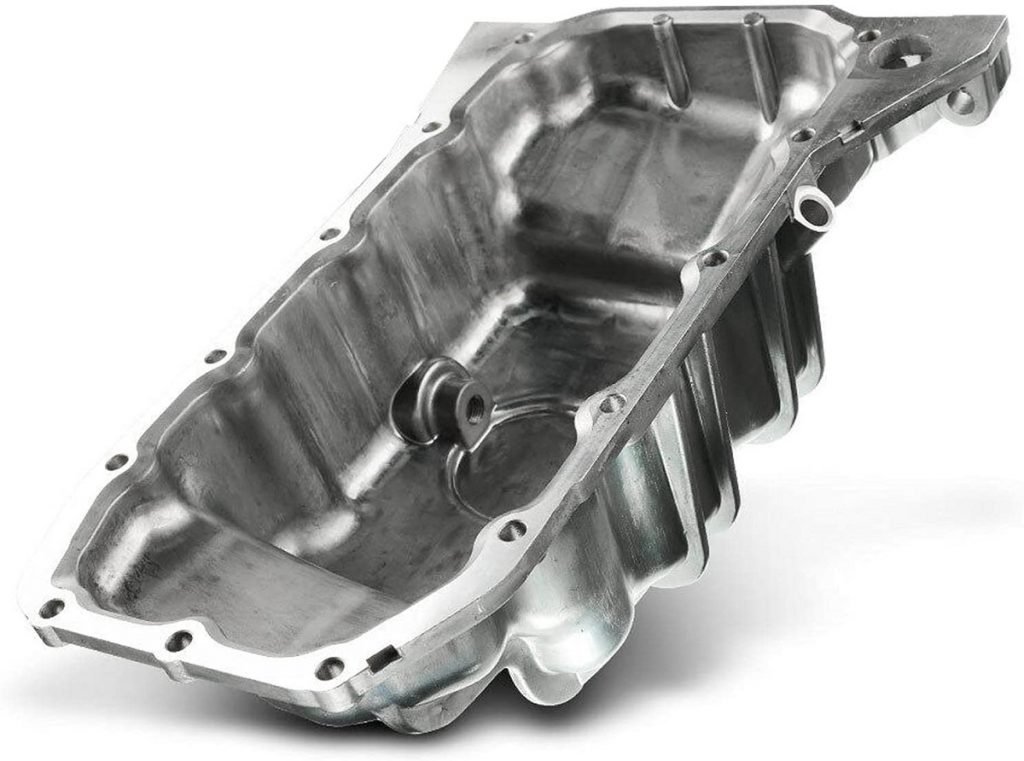
- Drain Plug: Located at the lowest point of the pan, used to drain old oil during an oil change. This plug is equipped with a metal or rubber washer to ensure a complete seal and prevent oil seepage.
- Baffles, Plates, or Internal Steel Sheets: Internal plates installed to control oil movement during aggressive driving and prevent oil starvation inside the pan.
Body Material and Mechanical Strength
As noted earlier, the oil pan is exposed to external impacts and temperature fluctuations. Therefore, it must possess adequate resistance. Typically, oil pans are made of steel or aluminum.
Stamped steel sheet is the most common and cost-effective material for oil pan manufacturing. It offers good impact resistance but weighs more than aluminum pans.
🔗 بیشتر بخوانید: معرفی آنر ۶۰۰ و ۶۰۰ پرو: دوربین ۲۰۰ مگاپیکسلی و باتری ۷۰۰۰ میلیآمپرساعتی

Another material used is aluminum. Aluminum oil pans require casting techniques. They are generally lighter and feature cooling fins to dissipate heat. Aluminum pans are used in sports or luxury vehicles.
Difference Between Steel and Aluminum Oil Pans
| ویژگی | کارتل فولادی (فلزی) | کارتل آلومینیومی |
| وزن | سنگینتر | سبکتر |
| هزینه | ارزانتر | گرانتر |
| خنککاری | ضعیفتر | بهتر (بهعلت رسانایی بهتر آلومینیوم) |
| مقاومت در برابر ضربه | طبق معمولً انعطافپذیرتر (مقداری خم میبشود) | شکنندهتر (با ضربه شدیدتر گمان ترک خوردن وجود دارد) |
| کاربرد | خودروهای اقتصادی و معمولی | خودروهای اسپرت و مدرن |
Types of Car Oil Pans
Generally, two types of oil pans exist in vehicles. Classification is based on oil management type: wet sump and dry sump.
What Is a Wet Sump?
The wet sump is the common lubrication system used in most standard vehicles. In this system, the pan sits under the engine and stores all engine oil when the lubrication cycle completes. The oil pump draws oil directly from this pan into the engine. Wet sumps are simple, highly reliable, and low-cost to manufacture.
What Is a Dry Sump?
The dry sump is used in sports and racing cars. In this system, the pan under the engine is very shallow. Oil is aggressively scavenged and quickly transferred by scavenge pumps to a separate remote oil reservoir located elsewhere in the car.
Practical and structural differences between dry and wet sumps:
| ویژگی | کارتل تر (Wet Sump) | کارتل خشک (Dry Sump) |
| محل ذخیره روغن | مستقیماً در کارتل زیر موتور | مخزن روغن خارجی (Separate Reservoir) |
| تعداد پمپ | یک پمپ مهم | یک پمپ سختی و چند پمپ مکش |
| ارتفاع موتور | موتور بلندتر (کارتل زیر آن است) | موتور مختصرتر (قابلیت نصب پایینتر) |
| کنترل روغن در پیچها | محدود (گمان افتروغنرسانی) | عالی (روغن همیشه در مخزن خارجی است) |
| کاربرد | خودروهای شهری و خانوادگی | خودروهای مسابقهای و سوپر اسپرت |
Symptoms of Oil Pan Damage and Cracking
Oil pan failure, manifesting as cracks or leaks, is a serious issue. It can lead to catastrophic damage that jeopardizes engine health. Damage presents several signs, reviewed below:
Oil Leaks Under the Car
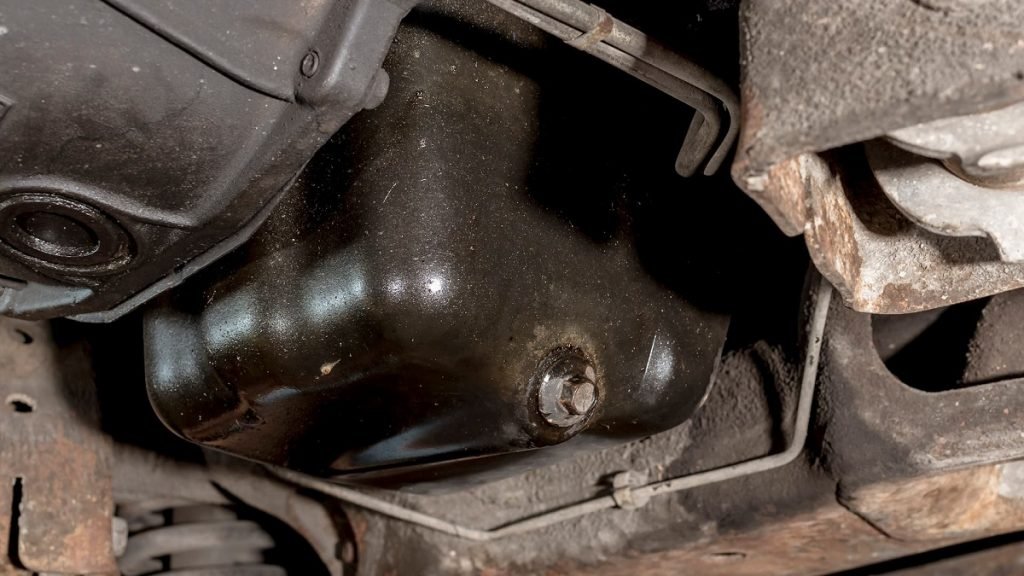
The most common sign of oil pan damage is leaking oil and visible oil spots under the vehicle. This sign becomes apparent when the car has been parked for a long time. Leaks can result from direct impact to the pan body or wear and failure of the oil pan gasket. Similarly, if the drain plug is over-tightened or its washer fails, oil will leak from the pan.
Oil Warning Light Illumination
If the pan is punctured or develops a severe leak, the oil level drops. When the level falls below the safe threshold, the oil pressure sensor activates and the warning light illuminates. In this situation, you must immediately shut off the engine and check the oil level. Continuing to drive with the oil light on causes serious engine damage. Also, if the oil level drops abnormally, the car may be burning oil.
Related reading: What Is Engine Oil Burning and What Are Its Symptoms?
Abnormal Engine Noises
Oil loss due to pan leaks causes moving engine parts to run dry without proper lubrication. Therefore, if the pan leaks, abnormal noises from the crankshaft, connecting rods, and valves will be heard. Hearing metal-on-metal grinding indicates friction and internal engine damage.
Causes of Oil Pan Damage or Cracking
Various factors can cause oil pan failure. These factors may negatively affect pan integrity physically or chemically. Below we examine the causes of failure.
Direct Impact to the Oil Pan
The most common cause of cracking or puncturing the pan is direct impact to its body. This occurs when driving over large speed bumps at high speed, when rocks or metal debris strike the pan, when the car has an accident affecting the pan area, or when off-roading.
High Temperature and Thermal Shock
Another cause of leaks is thermal shock. If the engine runs for a long time without proper lubrication, it overheats. If cold water then splashes onto the pan, thermal shock occurs, causing cracks to form on the pan body.
Design or Manufacturing Defects
Sometimes the driver is not at fault; the part fails due to improper manufacturing. Use of inferior alloys, incorrect gasket installation, and defective drain plug threads increase the pan’s vulnerability, leading to leaks.
Ways to Prevent Oil Pan Damage
You have surely realized that the oil pan is a sensitive, high-importance component. Therefore, it must be protected from damage. Below are preventive measures.
Using an Engine Undertray (Skid Plate)
Installing an engine undertray is the best preventive measure. These trays are made of steel, aluminum, or plastic. Their job is to absorb potential impacts. They prevent rocks and metal debris from striking the oil pan.
Checking Oil Level Regularly
Weekly oil level checks in internal combustion engines are critical. This allows you to detect whether a leak has occurred. If a leak is found, you can identify and resolve it.
Related reading: Correct Method for Checking Car Engine Oil
Performing Scheduled Services on Time
Scheduled maintenance is another way to maintain pan and lubrication system health. During these services, engine oil and the oil filter are replaced. The condition of the oil pan gasket and drain plug is also inspected to ensure no leaks exist.
Repair Methods and Fixing Leaks from the Oil Pan Drain Plug
To repair a damaged oil pan, you must first assess the extent of damage. For minor damage, repair is possible so you can continue using the part for a while. However, for major damage, replacement is the only option.
Temporary Repair with Adhesive or Welding
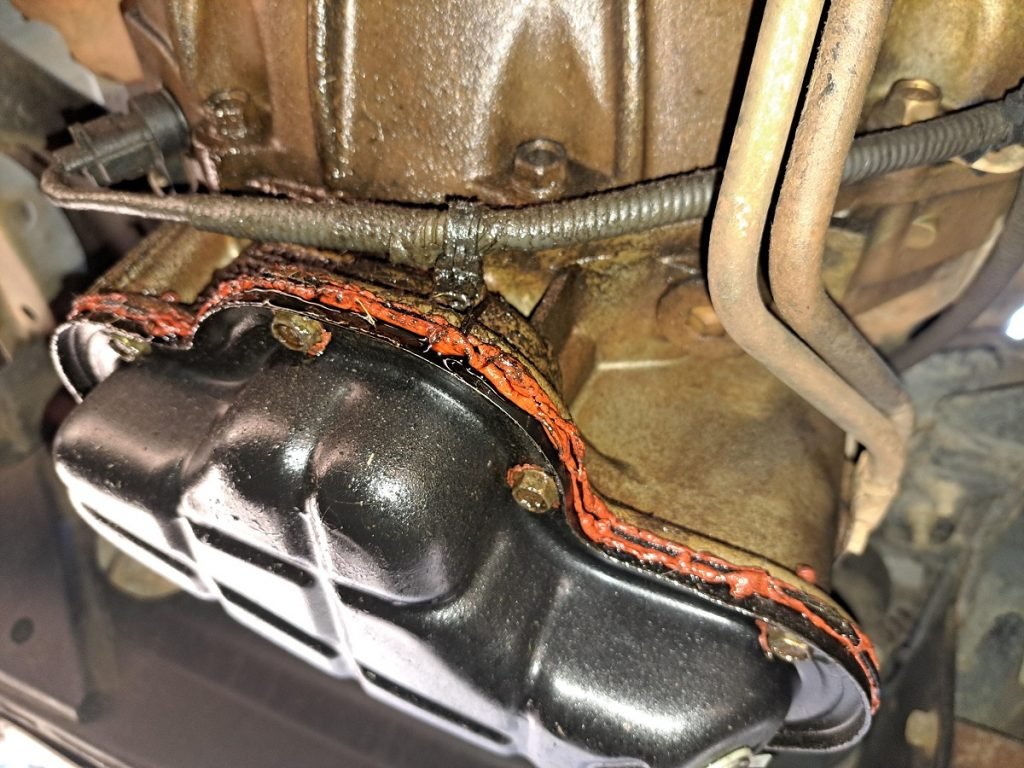
For minor leaks, limited cracks, or small holes, you can use adhesive or welding to repair the pan. This is an emergency solution allowing the car to continue operating for a limited time. Note that oil pan welding must be performed by a skilled welder after completely draining the oil.
Complete Oil Pan Replacement
When the pan has suffered serious structural damage, large or multiple cracks are visible, or the drain plug threads are stripped, you must replace the pan. In this case, the oil must be fully drained, mounting bolts removed, the old pan detached, the block mating surface cleaned, and the new pan installed with a new gasket.
Approximate Costs of Oil Pan Repair or Replacement
Repair or replacement costs vary depending on the work required. Rethreading the drain plug with adhesive costs the least. Welding small cracks costs more and depends on the welder’s skill.

Finally, complete pan replacement incurs the highest cost. Here, the pan and its components must be purchased and installed. Engine oil and the oil filter must also be replaced. The approximate cost for a full oil pan replacement on a common Iranian car in 2025, including post-replacement checks, is 16 to 20 million Tomans.
Conclusion
At first glance, the oil pan may seem like a minor component whose only job is collecting engine oil. However, a deeper look reveals it is the supporter and guarantor of the lubrication system’s smooth operation. Its location under the engine exposes it to serious physical damage, so it must be protected. Installing a protective undertray, performing scheduled services, and regularly checking the oil level will ensure this part’s longevity.
Frequently Asked Questions
What is an oil pan and what is its role in a car?
The oil pan, or crankcase, is a reservoir at the bottom of the engine responsible for storing engine oil and lubricating components. It also protects parts like the crankshaft.
Where is the oil pan located in a car?
The oil pan sits under the engine, precisely at the end of the cylinder block. It is the lowest front component and is usually easily visible from under the car.
What is the function of the oil pan gasket?
The oil pan gasket sits between the engine block and the pan body, preventing oil leaks. Damage or drying of this gasket causes oil leakage.
What is the oil pan drain plug and what is its use?
The drain plug is used to drain engine oil. During an oil change, opening this plug allows the old oil to exit the pan.
What adhesive is suitable for repairing a car oil pan?
High-temperature RTV silicone sealant or liquid gasket adhesive are suitable options for temporarily sealing cracks or reinstalling the pan. Do not use random adhesives.
What is the English term for car oil pan?